Entry · Ref HKW5RLUZ
The Difference a Criminal Defense Lawyer in Lafayette LA Can Make
- Posted
- 2026-10-09
- Last amended
- 2026-10-09
- Account
- @codykjed367
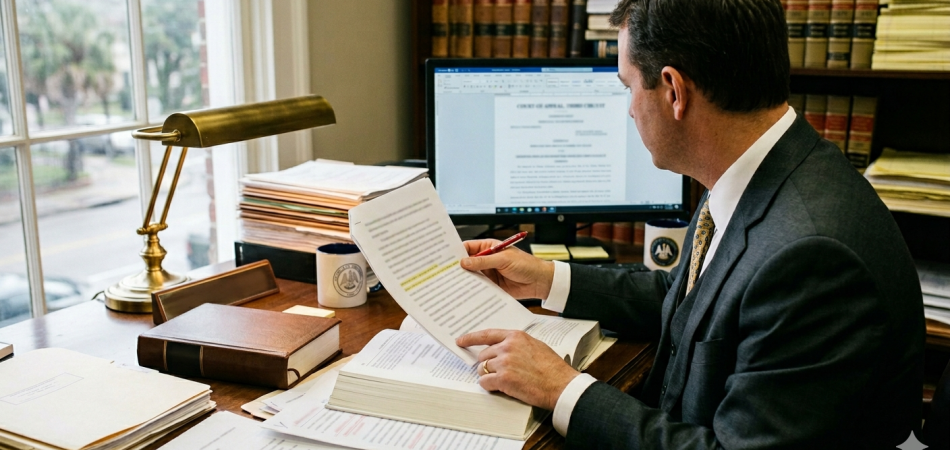


An arrest changes the temperature of a person’s life in a matter of minutes. One traffic stop, one knock at the door, one accusation from a neighbor, former partner, coworker, or stranger, and suddenly everything feels unstable. Work becomes uncertain. Family members start asking questions. Sleep gets thin. The legal system, which may have seemed distant and abstract before, becomes immediate and personal.
That is where the difference between facing charges alone and having a skilled advocate becomes impossible to ignore. A criminal case is not just about whether someone says you broke the law. It is about what can be proved, what procedures were followed, what rights were respected, what evidence is reliable, and what strategy gives you the best chance to protect your future. A seasoned criminal defense lawyer in Lafayette LA does far more than stand beside a client in court. Good defense work starts early, often before formal charges are even filed, and it can alter the trajectory of a case in ways most people never see.
A criminal charge is rarely as simple as it looks
People who have never dealt with the criminal courts often imagine a straightforward process. Police investigate, charges are filed, guilt or innocence is decided, and the case ends. Real cases do not unfold that neatly. Facts come in fragments. Witnesses change their stories. Officers make assumptions. Prosecutors work with limited time and heavy caseloads. Judges expect deadlines to be met and rules to be followed. Meanwhile, the accused person is trying to hold together a normal life under extraordinary stress.
In Lafayette, as in any jurisdiction, cases turn on details. A search may have gone too far. A confession may have been pressured or taken without proper warnings. A field sobriety test may have been administered poorly. A domestic dispute may involve exaggerated claims made during an emotional confrontation. A drug case may hinge on who actually possessed the substance, not simply who was nearby when it was found. What appears strong at first glance can weaken quickly when examined by someone who knows where to look.
That is one of the first ways a defense lawyer changes the picture. Experience teaches a lawyer that the state’s version of events is not the final version. It is a starting point, often incomplete, sometimes flawed, and occasionally badly wrong.
Early intervention can shape everything that follows
Many people wait too long to call a lawyer. They assume they should see what happens first. They think cooperating informally with police will clear things up. They believe that if they are innocent, the truth will sort itself out. Those instincts are understandable, but they can be costly.
When a defense lawyer gets involved early, several important things can happen. The lawyer may communicate with law enforcement on the client’s behalf, which reduces the risk of a damaging statement made out of fear or misplaced confidence. Counsel can begin preserving evidence before it disappears, whether that means security footage, phone records, GPS data, social media content, or witnesses whose memories will fade. In some cases, an attorney can present exculpatory information to the prosecutor before charges harden into a formal posture that is difficult to unwind.
This matters in Lafayette because local practice is local for a reason. Courts have their own rhythms. Prosecutors have their own approaches. Some offices are more willing to review mitigation early. Some cases move quickly. Others drag. A criminal defense lawyer in Lafayette LA who regularly handles cases in that setting is not guessing about how things usually unfold. That familiarity can help with timing, strategy, and communication.
Early representation also changes a client’s decision-making. People under investigation are vulnerable to panic. Panic produces bad choices, like contacting an accuser directly, deleting messages, posting online, or speaking too freely to friends who may later become witnesses. A lawyer imposes structure at the exact moment structure is needed most.
Procedure is not a technicality, it is protection
There is a common misconception that procedural defenses are tricks. They are not. Procedure is how the system distinguishes a fair prosecution from an abusive one. Constitutional rules on searches, seizures, interrogation, identification, and disclosure exist because criminal accusations carry enormous power. Without enforceable limits, mistakes and overreach multiply.
Consider a stop that leads to a vehicle search. The officer’s report may sound polished, even routine. Yet the legal basis for prolonging the stop, calling for a K-9, asking for consent, or opening containers inside the vehicle may not hold up under scrutiny. A practiced defense lawyer reads more than the narrative. The lawyer studies body camera footage, dispatch logs, timestamps, prior reports, lab records, and the sequence in which events supposedly happened. Sometimes a single inconsistency opens the door to suppressing key evidence. When central evidence is excluded, charges can shrink dramatically or collapse altogether.
The same principle applies to statements. A client may have spoken to officers while exhausted, injured, intoxicated, frightened, or unclear about whether they were free to leave. Those circumstances matter. So do the exact words used by officers, the timing of warnings, and whether promises or pressure affected the statement. Lawyers who have handled many criminal cases know that what happened around the statement can be as important as the statement itself.
None of this is abstract. If the state loses the evidence it was relying on, the leverage in Criminal defense lawyer Lafayette LA the case changes. Negotiations change. Risk calculations change. Sometimes the prosecution moves forward with a lesser charge. Sometimes it dismisses the case. Sometimes the defense is positioned for a trial with a much stronger hand.
Plea negotiations are not just about asking for a deal
A surprising number of people think criminal defense boils down to pleading for leniency. In reality, effective plea negotiation is a disciplined form of advocacy. It requires legal analysis, factual development, credibility with the prosecutor, and a realistic understanding of what a judge may do.
A weak lawyer asks for mercy. A strong lawyer builds leverage.
That leverage can come from a legal issue the state would rather not litigate. It can come from a witness problem, an evidentiary gap, a treatment history that supports a non-jail resolution, a clean prior record, or proof that the alleged harm has been overstated. It can also come from the simple fact that the defense is ready for trial. Prosecutors can tell the difference between a lawyer who files boilerplate motions and one who has actually prepared the case.
In Lafayette, a defense lawyer who understands local expectations can often spot opportunities that a generalist or out-of-town attorney might miss. That does not mean backroom shortcuts. It means knowing what kinds of resolutions are realistically available in that courthouse, what documentation tends to matter, how certain judges view probation conditions, and when it makes sense to push hard versus when it makes sense to preserve goodwill for a later stage.
A good plea result is not always an outright dismissal. Sometimes the win is avoiding jail. Sometimes it is keeping a felony from attaching to a person’s record. Sometimes it is preserving a commercial driver’s license, professional credential, immigration position, firearm right, or child custody standing. Sometimes it is steering a client toward diversion, treatment, or a deferred outcome that limits long-term damage.
The stakes reach far beyond the courtroom
People often focus on the sentence, and for obvious reasons. Jail, fines, probation, and court costs matter. But the hidden penalties of a criminal charge can be just as severe. A conviction can affect housing applications, job opportunities, insurance rates, educational aid, security clearances, licensing boards, and family court disputes. Even a pending charge can trigger workplace discipline or public embarrassment that does not disappear when the case is over.
This is especially true in a close-knit community, where word travels quickly and assumptions settle in before facts do. The right defense strategy must account for those realities. A lawyer’s job is not merely to answer the charge in a narrow legal sense. It is to understand what the case threatens in the client’s real life.
That practical focus changes how defense work is done. A college student facing a drug charge may need a plan that prioritizes future admissions, scholarships, and clean record options. A nurse, teacher, contractor, or plant worker may need careful attention to reporting obligations and licensing exposure. A parent in a domestic accusation may need immediate help avoiding collateral damage in a custody dispute. A person on probation or with prior convictions may need an aggressive response because a new allegation puts much more at risk than it would for a first-time offender.
These are not side issues. They are often the issues the client cares about most.
Trial readiness changes outcomes, even when cases never reach trial
Most criminal cases do not end with a jury verdict. That is true almost everywhere. But one of the strongest predictors of a favorable resolution is whether the defense lawyer is genuinely prepared to try the case if necessary.
Trial readiness affects every stage. It influences how prosecutors evaluate risk. It shapes how motions are argued. It affects whether witnesses feel comfortable or exposed. It gives a client clearer advice because the lawyer is not speaking in generalities. A lawyer who knows how the case would look before a jury can better judge whether a plea offer is fair, dangerous, or worth improving.
Clients can usually sense whether their lawyer is moving with purpose or simply processing paperwork. Preparation has a feel to it. The lawyer asks pointed questions. The lawyer requests specific records. The lawyer spots timing issues, contradictions, and missing pieces. Court appearances build on a larger strategy instead of drifting from date to date.
One of the most damaging mistakes in criminal defense is false reassurance. Telling a client that everything will probably work out, without doing the hard work to test that assumption, is not kindness. It is avoidance. A professional lawyer gives candid advice, including when the facts are difficult. But candid advice backed by preparation is very different from surrender. It allows a client to make informed decisions instead of frightened guesses.
Certain charges demand especially careful handling
Not all criminal cases present the same challenges. Some categories of charges tend to move fast, carry harsh social consequences, or rely on evidence that must be challenged carefully and early.
Here are a few examples where focused defense work often matters most:
- DWI and traffic-related offenses, where stop legality, testing procedure, and video evidence can change the case.
- Drug charges, where possession, intent, and search issues often determine whether the state has a solid case.
- Domestic violence allegations, where emotions run high and early narratives can harden before all facts are known.
- Theft and fraud cases, where documentation, intent, and restitution strategy can heavily influence charging and resolution.
- Violent felony allegations, where witness credibility, forensic interpretation, and pretrial litigation may define the defense.
Each of these areas carries its own traps. In a DWI case, for example, many people think the result turns entirely on a breath or blood number. Sometimes it does, but often it does not. The stop itself may be vulnerable. The officer’s observations may not line up with the video. Medical issues, fatigue, anxiety, heat, footwear, or roadside conditions may have affected field tests. Time gaps matter. Maintenance records matter. The language used in the report matters.
In domestic cases, lawyers frequently encounter a pattern that outsiders underestimate. Two people argue, officers arrive late, emotions are peaking, one person’s account gets recorded first, and that initial account dominates the case long before a full context emerges. There may be no independent witnesses. Injuries may be minor or ambiguous. Prior relationship history may explain motive, fear, jealousy, or manipulation. Handling those cases well requires both discipline and restraint. Aggressive lawyering does not mean inflaming the situation. It means separating allegation from proof while protecting the client from avoidable missteps.
Local knowledge matters, but so does judgment
People sometimes ask whether hiring local counsel really makes a difference. It can, provided the lawyer also has the skill and judgment to use that familiarity well. Being known in the courthouse is not enough. Competence matters more than proximity. Still, there is real value in working with someone who regularly practices in Lafayette and understands how local criminal cases are built and resolved.
That knowledge helps in subtle ways. A lawyer may know how certain prosecutors tend to evaluate mitigation. A lawyer may understand which judges expect tight motion practice and which respond better to concise, fact-driven presentations. A lawyer may know how local law enforcement agencies document evidence, where gaps commonly appear, and what timelines are realistic for obtaining records or lab materials.
At the same time, experience should not harden into routine. Good defense work requires judgment, not autopilot. Every case has its own pressure points. A strategy that makes sense for a first-time misdemeanor may be reckless in a felony with immigration consequences. A client who needs speed and privacy may require a different approach than a client who needs to contest every issue openly and aggressively. The best criminal defense lawyer in Lafayette LA is not the one with the loudest marketing. It is the one who can assess the facts honestly, explain options clearly, and adapt the strategy to what is actually at stake.
What clients should pay attention to when choosing counsel
The first consultation often tells people more than they realize. A strong attorney usually spends less time making grand promises and more time gathering facts. The lawyer wants dates, names, documents, prior history, bond conditions, and a timeline. The lawyer explains where the risks are and what can be done now, not just what might happen months later.
Clients should listen for substance. Does the lawyer discuss evidence? Procedure? Deadlines? Collateral consequences? Does the lawyer explain both the possible strengths and weaknesses of the case? Does the lawyer answer questions directly without pretending certainty where none exists? Those are better signs than dramatic claims about winning everything.
A useful consultation often leaves a person with a clearer view of the road ahead, even if the news is difficult. That clarity has value. Criminal charges create enough confusion on their own. A lawyer should reduce it, not add to it.
The best defense often begins with one calm decision
When people are accused of a crime, they often feel pressure to do something immediately, talk to someone, explain themselves, fix it fast. The better instinct is narrower. Preserve your rights. Stop improvising. Get informed advice.
That one decision can prevent a long string of avoidable damage. It can stop a bad interview from becoming key evidence. It can keep a misunderstanding from hardening into a formal charge. It can uncover flaws in the state’s case before those flaws are papered over. It can also put a client on stronger footing emotionally, which matters more than many lawyers admit. People make better choices when someone competent is carrying the legal burden with them.
The criminal system can be unforgiving, but it is not automatic. Cases can be challenged. Narratives can be tested. Evidence can be excluded. Charges can be reduced. Futures can be protected. That is the practical difference defense counsel makes. Not magic, not slogans, but informed, disciplined advocacy at a moment when almost everything feels uncertain.
For someone facing accusations in south Louisiana, the value of a capable criminal defense lawyer in Lafayette LA is measured not only in courtroom arguments, but in consequences avoided, options preserved, and mistakes prevented before they take on a life of their own. When the stakes include liberty, reputation, work, family, and the ability to move forward, that difference is not small. It is often the difference that defines what comes next.
Ikerd Law Firm
600 Jefferson St Ste 903
Lafayette, LA 70501
(337) 366-8994
FAQ About Criminal defense lawyer Lafayette LA
How much does a criminal lawyer cost in Louisiana?
Fees vary with the charges, complexity, expected work, and attorney's experience. Ask for a written fee agreement explaining the services included, payment schedule, and any separate expenses before hiring counsel. An initial consultation can help clarify the likely scope and cost of representation.
Who is the best criminal defense attorney in Lafayette, LA?
There is no single attorney who is the best fit for every case. Look for a Louisiana-licensed lawyer with experience handling similar charges, clear communication, and a fee arrangement you understand. Discuss the lawyer's approach during a consultation, and be cautious of anyone who guarantees a result.
How to afford a criminal defense lawyer?
Ask prospective attorneys about their fees and whether payment arrangements are available. If you cannot afford representation, ask the court or local public defender's office how to apply for appointed counsel. Eligibility depends on your finances, the case, and applicable requirements; appointment is not automatic.