Entry · Ref NXLCEZNW
Why Strategy Is Key for a Criminal Defense Lawyer in Lafayette LA
- Posted
- 2026-10-09
- Last amended
- 2026-10-09
- Account
- @codykjed367
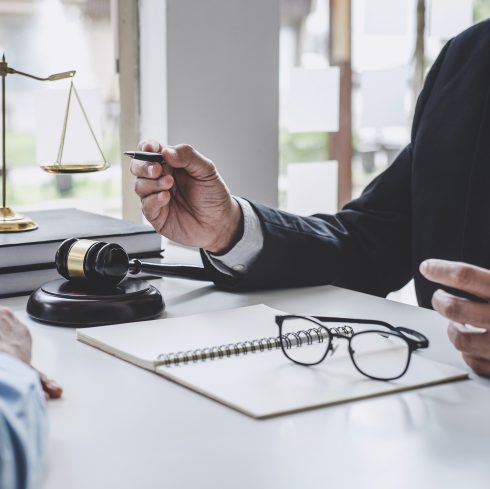

Criminal cases are rarely won by force of personality alone. They are shaped by timing, judgment, preparation, and the ability to see around corners. That is why strategy sits at the center of serious defense work. A charge may look straightforward on paper, but the real case usually lives in the details: how the stop happened, what officers saw and when they saw it, what a witness remembers now compared with what that witness said earlier, whether the state can actually prove every element, and whether the client’s long-term interests are better served by trial, negotiation, or a pretrial resolution that limits the damage.
For anyone searching for a Criminal defense lawyer Lafayette LA, strategy is not an abstract concept or a sales word. It is the practical difference between reacting to a case and directing it. In a criminal courtroom, reactive lawyering is expensive. Strategic lawyering creates options.
Lafayette has its own pace, its own legal culture, and its own set of pressures. Prosecutors manage heavy dockets. Judges expect preparation. Law enforcement reports may frame the story in a way that sounds decisive long before the defense has had a chance to test it. A defendant who does not understand the process can feel pushed toward fast decisions, sometimes before the evidence has been fully examined. That is exactly where a thoughtful defense strategy matters most.
A criminal charge is not just one problem
People often speak about a criminal case as though there is Criminal defense lawyer Lafayette LA only one question: guilty or not guilty. Real defense work is more complicated. A single arrest can create multiple layers of risk at the same time. There is the immediate criminal exposure, of course, but there may also be consequences for employment, professional licenses, immigration status, child custody, driving privileges, military service, student aid, or housing. In some cases, the collateral fallout ends up shaping the defense more than the headline charge itself.
Take a first-offense DWI as an example. Many people think only about fines or a short jail sentence, if any. But for a client who drives for work, the threat to a license can be the most urgent issue. For a nurse, teacher, or plant worker with mandatory reporting obligations, the effect on employment may outweigh the court penalty. For a college student, a plea that seems minor in the courtroom can disrupt financial aid or future applications. Strategy means identifying those pressure points early, not after the damage is done.
That is one reason experienced defense lawyers ask so many questions that seem only loosely connected to the police report. They are not making small talk. They are building a map. The best path in one case may be to attack the stop, suppress evidence, and push for dismissal. In another, the state’s evidence may be strong, but there may still be room to negotiate language in the disposition, preserve a license, avoid a conviction for a crime of violence, or place the client in a diversionary track. Without strategy, those distinctions get lost.
The first story the court hears is often the prosecution’s
By the time a defendant first appears in court, the government has usually had a head start. Officers have written reports. Charges have been screened. Bond may already reflect an assumption about danger, flight risk, or credibility. That first version of events can gain momentum if nobody disrupts it.
A strategic defense begins by slowing the case down enough to test that first narrative. Police reports are not sacred. Witness recollections are not fixed. Video can contradict testimony. Lab work can raise chain-of-custody questions. Digital evidence may show timing issues that nobody noticed during arrest. The state’s case often looks strongest before discovery is fully reviewed.
This is not a romantic view of defense work. It is a practical one. A lawyer who enters the case with a plan asks different questions from the start. Was the stop lawful? Was consent valid? Were Miranda issues preserved? Is there body camera footage, dash footage, surveillance, dispatch audio, phone data, or social media content that changes the timeline? Did officers search beyond the scope of what the law allowed? Did a witness identify the right person, or simply the most convenient one?
Each of those questions points to strategy, not just effort. Hard work matters, but effort without direction can waste precious time. Criminal cases move on deadlines. Miss the right motion window, and a strong suppression issue may be weakened. Fail to investigate early, and a favorable witness may disappear or become reluctant. Wait too long to frame the client’s background in mitigation, and the prosecutor may decide the file is not worth a second look.
Strategy starts long before trial
There is a popular image of criminal defense that centers on the courtroom speech. In truth, many cases turn on decisions made weeks or months before a jury is ever seated. Trial skill matters, but trial strategy begins outside the courtroom.
A good example is witness management. Suppose the defense learns that a civilian witness gave a shaky statement at the scene, then a cleaner version later. That inconsistency may be useful at trial, but its value depends on how it is documented, investigated, and preserved. The defense may need records, photographs, independent interviews, or scene inspection to show why the witness could not have seen what they claimed. If that work is postponed, the leverage may disappear.
The same is true in cases involving digital evidence. Phones, location data, text threads, and app records now shape many prosecutions. They can help the state, but they can also dismantle assumptions. A timestamp may narrow a timeline. A location ping may undercut an identification. A missing message sequence may raise questions about context. Strategic lawyering means understanding not just what evidence exists, but what evidence should exist if the accusation is accurate.
In Lafayette, as elsewhere, local familiarity can matter here. A lawyer who routinely handles criminal matters in the area will often have a more grounded sense of how quickly records can be obtained, what discovery issues recur, what kinds of pretrial arguments tend to gain traction, and where a case may need extra pressure to move. That does not guarantee a result, but it can sharpen the strategy.
Why local judgment matters in Lafayette
The phrase Criminal defense lawyer Lafayette LA should mean more than someone with an office nearby. Geography alone does not make a lawyer strategic. What matters is practical judgment informed by the local legal environment.
Every courthouse develops habits. Prosecutors differ in how they evaluate cases, how much weight they give to prior history, whether they are receptive to early mitigation, and which weaknesses in their files they are willing to acknowledge without a fight. Judges vary in scheduling preferences, motion practice, bond standards, and tolerance for delay. Those patterns are not official rules, but they shape real outcomes.
A strategic lawyer pays attention to those currents without becoming captive to them. Sometimes a negotiated resolution makes sense because it protects a client from a worse risk. Sometimes the better move is to challenge the state aggressively and make clear that a weak case will not be papered over with pressure. The art lies in knowing which posture serves the client, not the lawyer’s ego.
This is especially important in a place where reputation travels. A defense attorney who is known for being prepared, direct, and trial-ready often has more credibility when pointing out the holes in a case. Prosecutors are more likely to reassess a file when they know the challenge is serious. Judges are more likely to engage carefully with arguments that are concise, grounded, and supported. Strategy includes understanding how to use that credibility at the right moment.
Not every strong defense is a dramatic acquittal
Clients sometimes come into a case expecting that success means complete dismissal or a not-guilty verdict. Those outcomes do happen, and every lawyer should be ready to pursue them when the law and facts support the fight. But strategy requires a broader definition of winning.
In some cases, success is keeping a felony from becoming a life-defining conviction. In others, it is avoiding jail, preserving immigration options, protecting a commercial driver’s license, preventing a probation violation from escalating, or securing treatment-based outcomes that address the real problem behind the arrest. The public tends to see only verdicts. Clients live with everything that happens after the hearing ends.
A young client charged after a bar fight may care most about staying in school and avoiding a violent record. A middle-aged parent with a prescription-related arrest may need a strategy that addresses both criminal exposure and a custody dispute happening in another court. A person accused of drug possession may have a search issue strong enough to litigate, but may also need a fallback plan if the judge denies suppression. Good strategy accounts for both Criminal defense lawyer Lafayette LA the primary path and the backup plan.
That is where seasoned defense work often shows itself. It is easy to promise battle. It is harder to build several workable exits and then choose the one that fits the client’s real life.
Strategy requires candor, not just confidence
Many people facing charges are overwhelmed, embarrassed, or angry. Some are convinced the case is absurd. Others know they made a mistake and hope the system will treat it as a small one. In either situation, they need honest analysis more than theater.
A strategic defense lawyer has to deliver unpleasant truths when necessary. A bad fact is still a bad fact, even if it can be managed. A sympathetic client can still make a damaging witness. A strong legal issue can still fail in front of a skeptical court. Pretending otherwise does not help. Strategy begins with a clear-eyed assessment of risk.
That assessment usually comes down to a handful of questions:
- What can the state actually prove, not just allege?
- Which evidence can be challenged or excluded?
- What does the client need to protect outside the criminal case?
- What is the trial risk compared with the best realistic offer?
- How will today’s decision look six months or five years from now?
A lawyer who can answer those questions candidly gives the client something valuable: informed control. That matters because many defendants feel stripped of agency from the moment of arrest. Strategy restores some of it. It turns panic into decision-making.
Plea negotiations are strategic work, not surrender
There is a persistent misconception that negotiation signals weakness. In criminal defense, that view usually comes from people who have never had to weigh trial risk against real-world consequences. Some of the best outcomes in defense practice come from highly strategic negotiation backed by serious preparation.
Prosecutors are more likely to move when they see that the defense understands the file, has identified legal pressure points, and is fully prepared to try the case if needed. Negotiation without leverage is pleading. Negotiation with leverage is advocacy.
That leverage can come from many places. It may come from a suppression issue the state does not want litigated. It may come from a clean background and compelling mitigation package. It may come from witness problems, evidentiary gaps, treatment progress, restitution efforts, or a defense timeline that weakens intent. What matters is the ability to frame the case persuasively and credibly.
In practice, a good negotiated result often rests on work the client never sees. Records have to be gathered. Character information has to be presented carefully, not sloppily. Weak points in the prosecution’s evidence have to be highlighted without overplaying them. Timing matters too. There are cases where early engagement helps, and others where showing your hand too soon reduces your options. Strategy decides that timing.
Trial strategy is more than arguing well
When a case does go to trial, strategy becomes even more visible. But it still is not just about speaking forcefully or cross-examining dramatically. Trial strategy starts with choosing the theory of the case, the theme the jury can actually understand and trust.
Some cases are won by showing the police got ahead of the facts. Others are won by exposing unreliable identification, incomplete investigation, or the state’s failure to connect a defendant to the crucial act. Sometimes the defense theory is not that every witness is lying, but that memory is flawed, observations were rushed, and certainty grew after the fact. Jurors often respond better to a theory grounded in ordinary human error than to a sweeping claim that everyone else is part of a plot.
A strategic lawyer also knows what not to say. Not every inconsistency matters. Not every witness needs to be destroyed. Not every weak point deserves equal time. Juries notice overreaching. Judges notice it too. In a close case, restraint can be more persuasive than volume.
The same is true when deciding whether a client should testify. This is one of the most strategic calls in any criminal trial. Some defendants present clearly, credibly, and calmly. Others, though truthful, may not withstand cross-examination well. A lawyer who approaches that decision with discipline can save a case from turning on personality instead of evidence.
The early hours after arrest often shape the whole case
People usually do not appreciate how many strategic choices arise in the first day or two after an arrest. Statements made casually, texts sent in panic, social media posts, contact with alleged victims or witnesses, and poorly framed bond arguments can all create avoidable damage. Once those things happen, a defense lawyer has to work around them.
That is why immediate guidance matters. Even small decisions can change leverage later. Silence, record preservation, treatment enrollment in the right circumstances, and careful preparation for the first court appearance can set a very different tone from denial mixed with impulsive damage control.
Here is where practical advice tends to matter most:
- Do not discuss the facts of the case with anyone except your lawyer.
- Do not try to “fix” things by contacting witnesses or alleged victims.
- Preserve documents, messages, photos, and location history that may help.
- Follow bond conditions exactly, even if they feel excessive.
- Tell your lawyer about job, license, immigration, or family concerns immediately.
None of this guarantees an outcome. It does something just as important. It keeps the case from getting worse while the defense strategy is being built.
Different charges demand different strategies
No single defense model fits every case. A drug charge, a domestic allegation, a theft accusation, and a white-collar investigation each require different instincts.
In a drug case, search and seizure issues may dominate. The legality of the stop, probable cause, canine deployment, consent, and chain of custody can all be central. In a domestic case, strategy may turn more on credibility, 911 audio, medical records, self-defense context, prior communication patterns, and no-contact complications. In a theft or fraud case, the fight often involves intent, authorization, record interpretation, and whether a civil dispute is being reframed as a crime. In a sex offense investigation, every decision must be made with exceptional care because accusations can alter a client’s life before any formal finding is made.
This is where strategic depth separates competent representation from generic representation. A lawyer who handles criminal cases regularly understands that each category brings its own forensic issues, evidentiary traps, and human dynamics. The strategy has to fit the charge, the proof, the judge, the prosecutor, and the client.
Clients help build strategy when they are prepared to be honest
The strongest defense relationships are collaborative. That does not mean the client has to know criminal procedure. It means the client gives the lawyer accurate information, even when it is embarrassing or seems harmful.
One of the most common problems in criminal defense is the late-arriving fact, the one that surfaces after the lawyer has committed to a theory or negotiation posture. Maybe there was a second phone. Maybe a prior argument existed with the complaining witness. Maybe the client did make a statement that was left out of the first conversation. None of that makes a defense impossible, but it can force a strategic reset at the worst moment.
Experienced lawyers have seen this enough times that they often probe hard in early meetings. They are not being suspicious of the client. They are trying to protect the case from surprise. Strategy depends on knowing the terrain, including the bad parts.
What people should look for in a strategic defense lawyer
If someone is trying to choose a Criminal defense lawyer Lafayette LA, the right question is not simply, “Can this person fight?” A better question is, “Can this person think several moves ahead?”
That shows up in specific ways. A strategic lawyer can explain the likely stages of the case in plain language. They can identify the pressure points without promising miracles. They can distinguish between what matters emotionally and what matters legally. They can discuss negotiation and trial with equal seriousness. Most of all, they can connect the legal path to the client’s life outside court.
People in crisis are vulnerable to bold promises. Criminal defense is not a field where certainty is honest. The better sign is disciplined judgment. A lawyer who talks carefully about evidence, timing, local procedure, and collateral consequences is usually giving you something more valuable than bravado. They are showing you how they think.
When liberty, reputation, and future opportunity are on the line, that thinking matters. Strategy is what turns scattered facts into a defense, pressure into leverage, and a frightening process into a series of deliberate choices. For a criminal defendant in Lafayette, that can make all the difference between merely getting through a case and emerging from it with a future still intact.
Ikerd Law Firm
600 Jefferson St Ste 903
Lafayette, LA 70501
(337) 366-8994
FAQ About Criminal defense lawyer Lafayette LA
How much does a criminal lawyer cost in Louisiana?
Fees vary with the charges, complexity, expected work, and attorney's experience. Ask for a written fee agreement explaining the services included, payment schedule, and any separate expenses before hiring counsel. An initial consultation can help clarify the likely scope and cost of representation.
Who is the best criminal defense attorney in Lafayette, LA?
There is no single attorney who is the best fit for every case. Look for a Louisiana-licensed lawyer with experience handling similar charges, clear communication, and a fee arrangement you understand. Discuss the lawyer's approach during a consultation, and be cautious of anyone who guarantees a result.
How to afford a criminal defense lawyer?
Ask prospective attorneys about their fees and whether payment arrangements are available. If you cannot afford representation, ask the court or local public defender's office how to apply for appointed counsel. Eligibility depends on your finances, the case, and applicable requirements; appointment is not automatic.